Raw feeding for dogs: the complete guide
Unlock the secrets to a healthier, happier dog with our comprehensive guide to raw feeding. Discover the benefits, address your concerns, and learn how Sit'N'Stay can support you in providing the best diet for your beloved companion.

Why choose raw? Unveiling the benefits
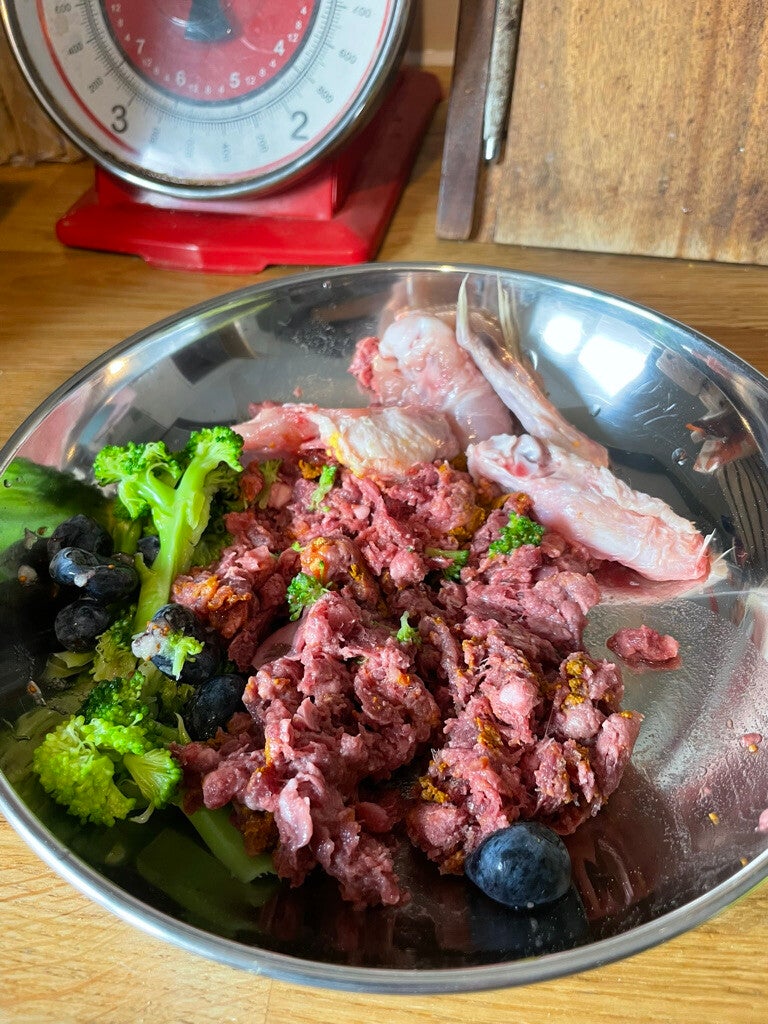
Feeding a raw diet to dogs means stripping nutrition back to basics, providing quality, wholesome foods rich in essential vitamins and minerals. It's more than just raw meat; it's about a balanced, natural approach that can transform your dog's health. This diet can lead to improved digestion, shinier coats, increased energy, and better weight management. For owners, it offers clarity in a confusing world of dog food, helping to heal dogs with sensitivities by providing the purest form of nutrients with minimal processing involved. Let us guide you through the intricacies of safe and effective raw feeding, offering helpful insights every step of the way.
Addressing your raw feeding concerns
Many people worry that raw feeding is unhygienic or unsafe. This is a common misconception and largely depends on proper preparation and clean-up. We emphasise the importance of sourcing quality ingredients that are DEFRA and FEDIAF certified. These governing bodies ensure the highest criteria for safe production of raw food, guaranteeing appropriate testing, freedom from harmful bacteria, and proper packaging and storage. Rest assured, dogs are naturally equipped for a raw diet. They possess a highly concentrated stomach acid specifically designed for breaking down proteins, neutralising pathogens, and digesting bone and flesh. Their shorter digestive system is perfectly adapted for quickly and easily processing meat and bone, making it a very harsh environment for bacteria. Raw feeding can be an excellent solution for dogs with sensitivities, offering the purest nutrients with minimal processing.
Our unique approach to your dog's diet
Here, we understand that raw feeding isn't a one size fits all solution. It doesn't suit every dog or every owner's lifestyle, and we will never pressure anyone into something they're uncomfortable with. Raw isn't for everyone, and that's perfectly okay! We believe every dog is an individual, and our goal is to help you meet their unique needs through an appropriate diet and lifestyle, whether that includes raw feeding or another nutritional approach. Our advice is tailored, empathetic, and focused solely on your dog's well-being. We're here to provide clarity, support, and expert guidance to help your dog thrive.
Lets delve into the finer details of raw feeding...
Raw feeding has become increasingly popular among dog owners looking to provide a more natural, species-appropriate diet. But while it can be incredibly beneficial when done correctly, it’s also one of the most misunderstood approaches to canine nutrition.
This guide covers everything you need to know - from feeding amounts and models to balancing nutrients correctly.
How Much Should You Feed?
As a general guideline, dogs are typically fed:
2–3% of their body weight per day
However, this is not a one size fits all rule.
Your dog’s ideal intake depends on:
- Activity level
- Age
- Metabolism
- Overall health
👉 A highly active working dog will require significantly more than a sedentary pet.
Different Raw Feeding Models
There are several approaches to raw feeding, and choosing the right one depends on your dog and your lifestyle.
Prey Model
Focuses on feeding whole prey or replicating a whole animal diet.
BARF (Biologically Appropriate Raw Feeding)
Often follows the 80/10/10 ratio, sometimes including vegetables.
Complete Pre-Made Raw
Commercially prepared raw meals that are designed to be nutritionally balanced.
Choosing High-Quality Raw Food
Not all raw food is created equal.
To ensure safety and quality, choose brands that meet recognised standards such as:
- DEFRA certification
- FEDIAF guidelines
These ensure the food is produced to proper UK and European safety and nutritional standards.
Why Balance Matters (More Than You Think)
A common mistake is assuming that feeding raw meat alone is enough.
It isn’t.
To create a balanced raw diet, you must:
- Use the correct ratios of muscle meat, bone, and offal
- Include essential vitamins and minerals
Without this, nutritional deficiencies are almost inevitable over time.
The Correct Raw Feeding Ratio
The most commonly used ratios are:
80 / 10 / 10
or
70 / 10 / 10 / 10 (with vegetables)
This includes:
- 70–80% muscle meat
- 10% offal (max 5% liver)
- 10% raw bone
- 10% vegetables (optional but recommended)
⚠️ Important: These ratios alone do not guarantee a nutritionally complete diet.
Raw Bone: Benefits and Risks
Raw bone provides essential calcium—but too much can cause problems.
Guideline:
Bone should not exceed 10% of the daily diet
Excess bone can lead to:
- Constipation
- Digestive discomfort
- Blockages
- Chocking Hazards
Suitable options include chicken wings, drumsticks, necks, and ground bone and they must always be RAW.
Essential Vitamins & Minerals
A balanced raw diet must include key micronutrients:
Essential Fatty Acids (Omega 3) - Supports skin, coat, and reduces inflammation
Sources: Oily fish, green-lipped mussels, flaxseed oil, wheat germ oil
Calcium
Sources: Raw bone, powdered eggshell
Phosphorus
Sources: Muscle meat, liver, pumpkin seeds
Iodine
Sources: Sea kelp, eggs, kefir
Zinc
Sources: Red meat, chicken hearts, pumpkin/squash seeds, green-lipped mussels
Iron
Sources: Liver, dark meat, spinach, kale, broccoli
Magnesium
Sources: Organ meats
Vitamin E
Sources: Sunflower seeds, flaxseeds, flaxseed oil, wheat germ oil
Vitamin D
Sources: Oily fish (mackerel, sardines), liver, kefir
You Need Supplements?
In many cases, yes.
Vitamin E and Vitamin D are particularly difficult to provide in sufficient amounts through whole foods alone.
Supplementation is often necessary to:
- Prevent deficiencies
- Support long-term health
The Truth About 80/10/10
While widely used, 80/10/10 alone is often not nutritionally complete.
Without proper planning, it can lead to:
- Vitamin deficiencies
- Mineral imbalances
- Long-term health issues
Final Thoughts
Raw feeding can be an excellent way to support your dog’s health - but only when it is done correctly.
It’s not just about feeding raw meat. It’s about:
- Balance
- Variety
- Precision
Getting it wrong can lead to deficiencies - but getting it right can help your dog truly thrive.
Need Help Balancing Your Dog’s Diet?
If you’re unsure whether your dog’s diet is complete and balanced, get in touch and we can make sure your dog gets exactly what they need - no guesswork, no risk.